LIHEAP in SW Washington State: Supporting Hardworking Families and Vulnerable Residents
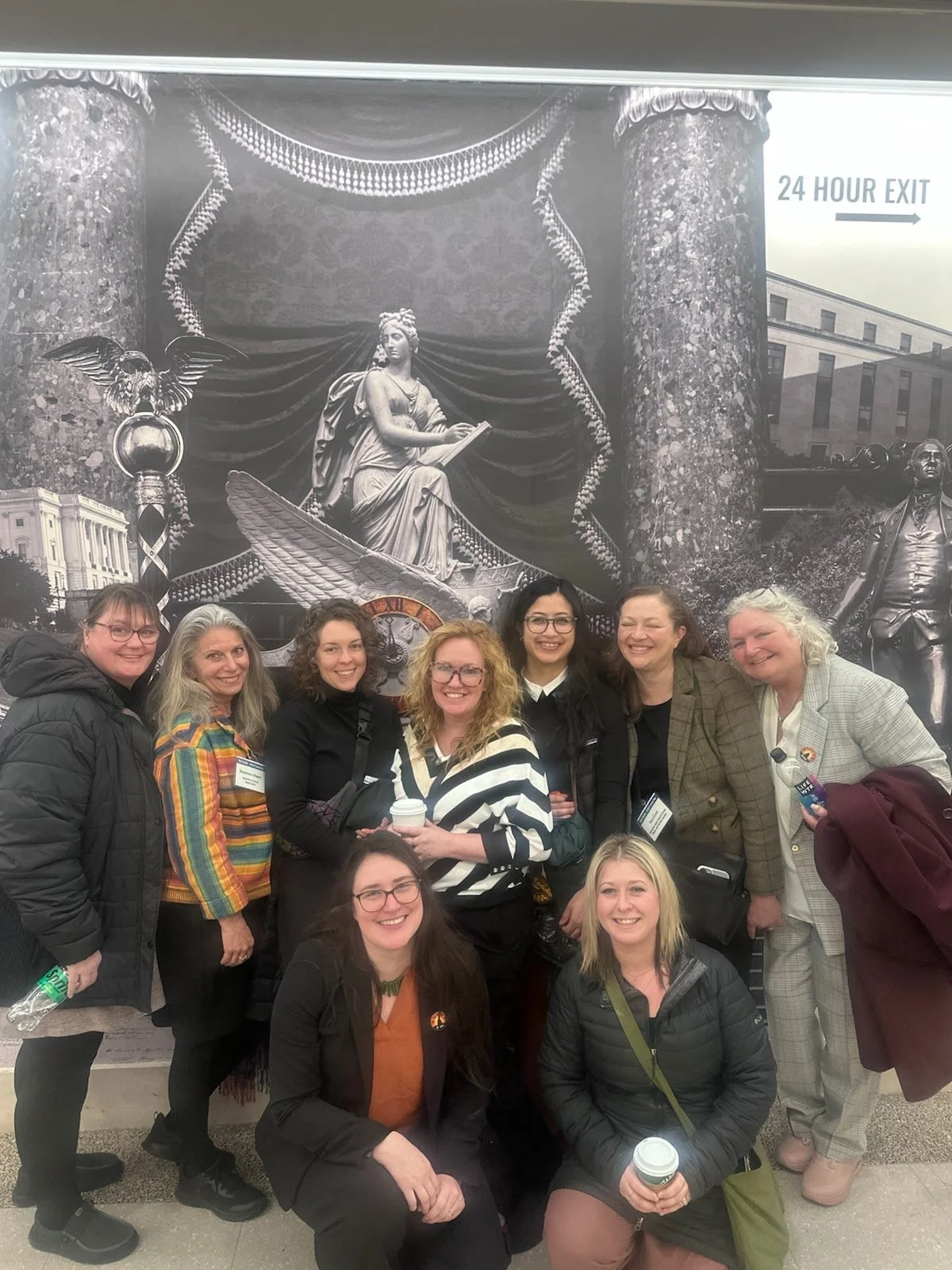
Written by Amber Youtsey and Rachel Johnson.
WAGAP serves two counties in Southwest Washington. Both are rural areas of beautiful countryside, quaint towns, and the spectacular Columbia River Gorge. But, living here requires resourcefulness. A trip to the grocery store comes with extra time and expense; gas, food, and essential resources cost more than in urban areas. Our families work hard and cherish the simple things in life.
Despite abundant renewable energy, electricity and water costs remain high. Extreme weather—from snowy winters to hot, dry summers, along with forest fires, floods, and drought—isincreasingly common. Many residents have income but still struggle to afford basic necessities.
In 2025, most recipients of assistance had income, with Social Security being the largest source, and employment the second largest. Seventy-five to seventy-seven percent of recipients were seniors, children, or people with disabilities. LIHEAP plays a vital role in helping these hardworking families and our most vulnerable neighbors make ends meet.
Our clients have stories of medical and financial hardships.Their homes are damaged by weather, fire, and wilderness. Available jobs do not meet the growing population. Our rural schools and hospitals are at risk of shutting down. Energy costs more and more each year. The need for assistance increased in 2021 due to COVID-19, and it has continued to grow.
Stories like these are common. Families often share tears of relief when they receive help. Many report that they can now afford food because they no longer have to worry about their power bill. Delays in funding and rising costs leave households vulnerable, especially during winter months.
LIHEAP not only supports individuals—it strengthens our communities. By ensuring that residents have access to basic utilities, we protect health, economic stability, and dignity. With continued support and timely funding, we can help families stay safe, warm, and secure. Together, we can ensure that the most vulnerable in Klickitat County—and across the country—receive the assistance they need to thrive.